
Is Your Dog Anxious About Grooming? How to Help at Home
Last Updated: November 10, 2026
Quick Summary
Dogs may feel anxious about grooming for several reasons, including unfamiliar tools, loud noises, handling, previous uncomfortable experiences, or physical sensitivities. Gentle introductions, short practice sessions, and positive reinforcement can help many dogs become more comfortable with brushing and nail care at home. Progress varies from dog to dog, so watch for signs of stress and avoid forcing your dog through an uncomfortable experience.
- Grooming anxiety can develop from unfamiliar experiences, uncomfortable handling, sensitivity to sounds, or previous negative experiences.
- Pick a quiet room away from noise and other pets for grooming practice.
- Let your dog sniff the brush first, reward, then put it away.
- Handle paws daily for a few seconds with treats and no clippers in sight.
- Watch your dog's body language and stop if they show signs of stress or discomfort. Keep practice sessions short and positive.
Table of Contents
Why Grooming Anxiety Happens and How to Start Calm
Some dogs become nervous during grooming because they are unfamiliar with the tools, sounds, or handling involved. Others may have had an uncomfortable experience or have physical sensitivities that make grooming difficult. Understanding your dog's individual reactions can help you introduce grooming activities gradually, using patience and positive reinforcement rather than force.
- Start small. One paw touch, one brush stroke, then stop.
- Pick a quiet room away from noise and other pets.
- Use high-value treats your dog enjoys during grooming practice.
- Watch the whole dog, not just the part you are working on.
- Keep practice sessions brief and positive. Watch for early signs of stress, and stop before your dog becomes overwhelmed.
Practicing gentle, positive grooming experiences at home may also help your dog feel more comfortable during professional grooming appointments. For additional guidance on understanding your pet's behavior, visit the ASPCA's pet behavior resources.
When Your Dog Is Afraid of Being Brushed
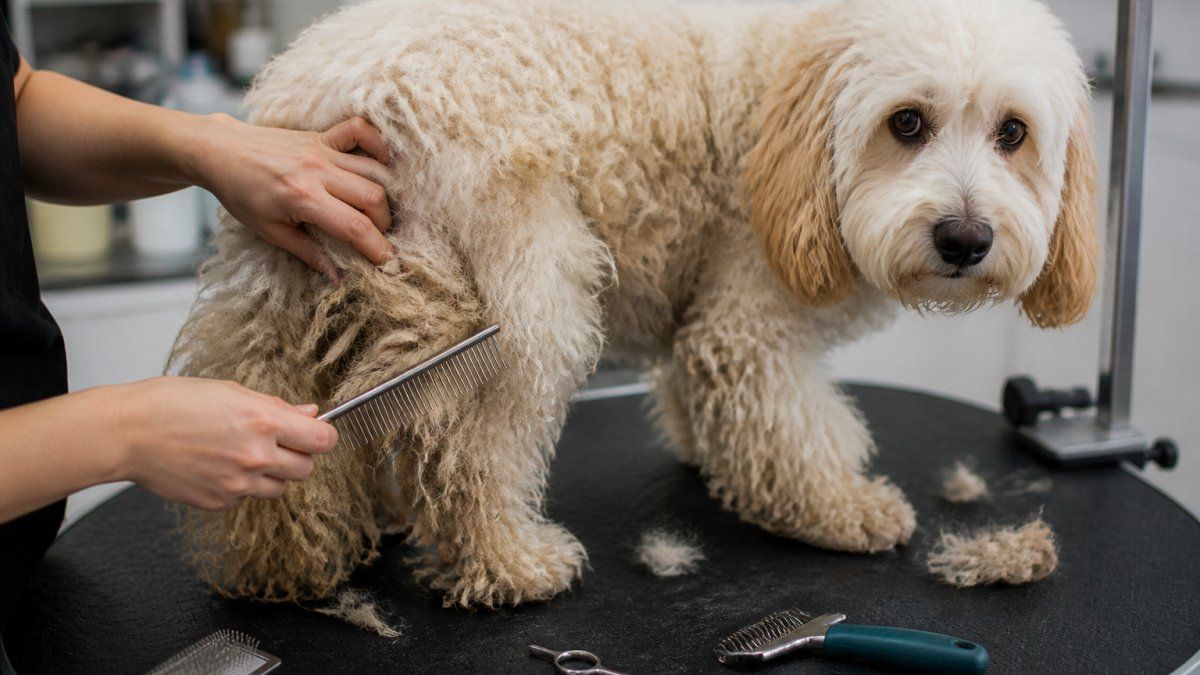
Dogs may resist brushing because of unfamiliar tools, pulling on tangled fur, sensitive skin, or previous uncomfortable experiences. Rather than forcing the process, introduce brushing gradually and pay attention to your dog's reactions. Choosing the right tools for your dog's coat type is also important. Double-coated breeds, for example, have different grooming needs than curly-coated Doodles.
Then follow this progression, one short session at a time:
1. Introduce the brush. Let your dog investigate it voluntarily, and reward calm behavior.
2. Practice gentle contact. Briefly touch the brush to a comfortable area, such as the shoulder, and offer a reward.
3. Try a gentle stroke. If your dog remains relaxed, make one light brush stroke and reward them.
4. Progress gradually. Increase brushing only when your dog appears comfortable. Some dogs may need several sessions at the same stage.
5. Introduce sensitive areas carefully. Work toward the legs, belly, and tail gradually, without forcing your dog to remain still.
Pay attention to your dog's body language during brushing. Stiffening, pulling away, growling, or attempting to leave may indicate discomfort or fear. If you notice these behaviors, stop the session rather than forcing your dog to continue. Keep future practice sessions shorter and adjust your approach based on your dog's comfort level. If brushing consistently causes distress or appears painful, consult your veterinarian or a qualified animal behavior professional.
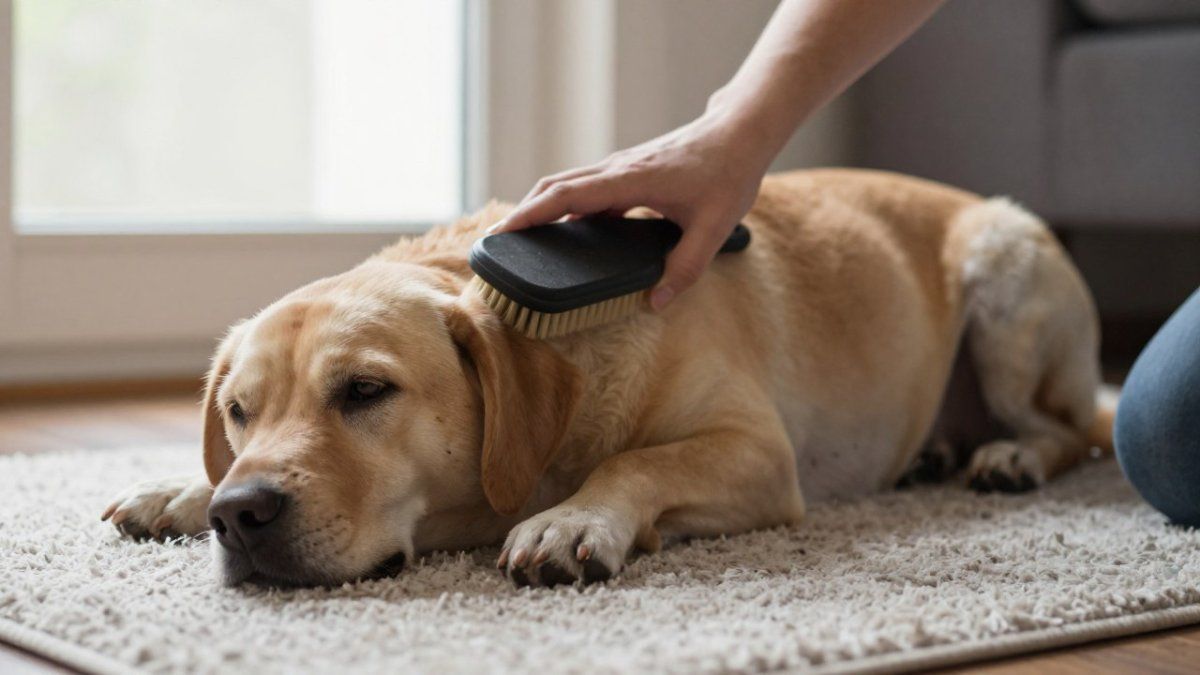
If your dog's coat is already tangled, do not fight it with a brush; our guide on how to brush double-coated dogs covers technique and tool choice.
Getting a Dog Used to Nail Trims
Nail trimming can be stressful for some dogs, particularly those who are uncomfortable having their paws handled or have experienced a painful nail trim in the past. Gradual introductions and positive reinforcement may help your dog become more comfortable with the process. Move at your dog's pace, and avoid forcing nail trims when they show signs of fear or distress.
• Start with gentle paw handling. Briefly touch your dog's paws and reward calm behavior. Never force them to hold still.
• Introduce the nail clippers gradually. Let your dog see and investigate the clippers without attempting to trim.
• Practice with the sounds. If your dog remains comfortable, introduce the sound of the clippers at a distance and offer rewards.
• Build comfort with handling. Gradually practice bringing the clippers near a nail without cutting, stopping if your dog becomes uncomfortable.
• Trim only when your dog is ready. If your dog is relaxed and you know how to trim nails safely, begin with a single nail. Otherwise, seek assistance from a professional groomer or veterinarian.
If your dog freezes, pulls away, growls, or shows other signs of fear during nail trimming, stop the session. Attempting to trim the nails of a struggling dog increases the risk of accidentally cutting the quick, which can cause pain and bleeding. If your dog consistently becomes distressed, consult a veterinarian or qualified animal behavior professional for guidance.
Many owners find home practice is not enough, and that is not a failure. Our professional nail trims use calm, gentle handling for dogs who find the process hard.
If you would rather have a professional take over, request an appointment and we will talk through your dog's history first.
Anxious dogs deserve patience, understanding, and gentle handling. At Heights Grooming in Houston Heights, we work with nervous dogs and senior dogs, taking their individual needs and comfort levels into consideration. Our team will discuss your dog's grooming history, explain available services, and communicate any additional charges before proceeding. While not every dog can comfortably complete every grooming service, our priority is providing safe, compassionate care.
Frequently Asked Questions
How can I help my dog feel less anxious about grooming at home?
Introduce grooming tools gradually and pair positive experiences with treats, praise, or other rewards your dog enjoys. Begin with brief, gentle handling and increase activity only when your dog appears comfortable. Avoid forcing brushing or nail trimming if your dog shows signs of fear or discomfort. If anxiety is severe or grooming appears painful, consult your veterinarian or a qualified animal behavior professional.
What are common dog grooming stress signs I should watch for?
Dogs may show stress during grooming through body language such as a tucked tail, flattened ears, lip licking, yawning, stiff posture, pulling away, growling, or attempting to hide. These behaviors can indicate discomfort or fear, especially when several occur together. If your dog shows signs of distress, stop grooming and allow them to relax. If the behavior develops suddenly or grooming appears painful, consult your veterinarian to rule out an underlying medical issue.
Should I use a grooming hammock or restraint on a nervous dog?
Grooming hammocks and restraints are not appropriate for every dog, especially those experiencing significant fear or distress. Forcing a nervous dog into a restraint can increase anxiety and create safety risks. Instead, focus on gentle handling, positive reinforcement, and allowing your dog to become comfortable with grooming activities gradually. If brushing or nail trimming remains difficult, consult a professional groomer experienced with anxious dogs, your veterinarian, or a qualified animal behavior professional to determine the safest approach.

Share On: